


I run a weekly career AMA on my Instagram, and people often ask how to deal with tough colleagues.
First, communication can be
Emotional or factual
Verbal or non-verbal
Direct or indirect
Specific issue-oriented or frenzied
In hostile environments, the scale tips towards these styles: emotional/non-verbal/indirect/frenzied. This may manifest through passive-aggressive comments, disrespectful remarks, gossip, and closed-offness to feedback. Harmful actions may include taking credit for your work, refusing to include you in collaboration, or not communicating with you when in need.
How do bad interpersonal relationships harm a business?
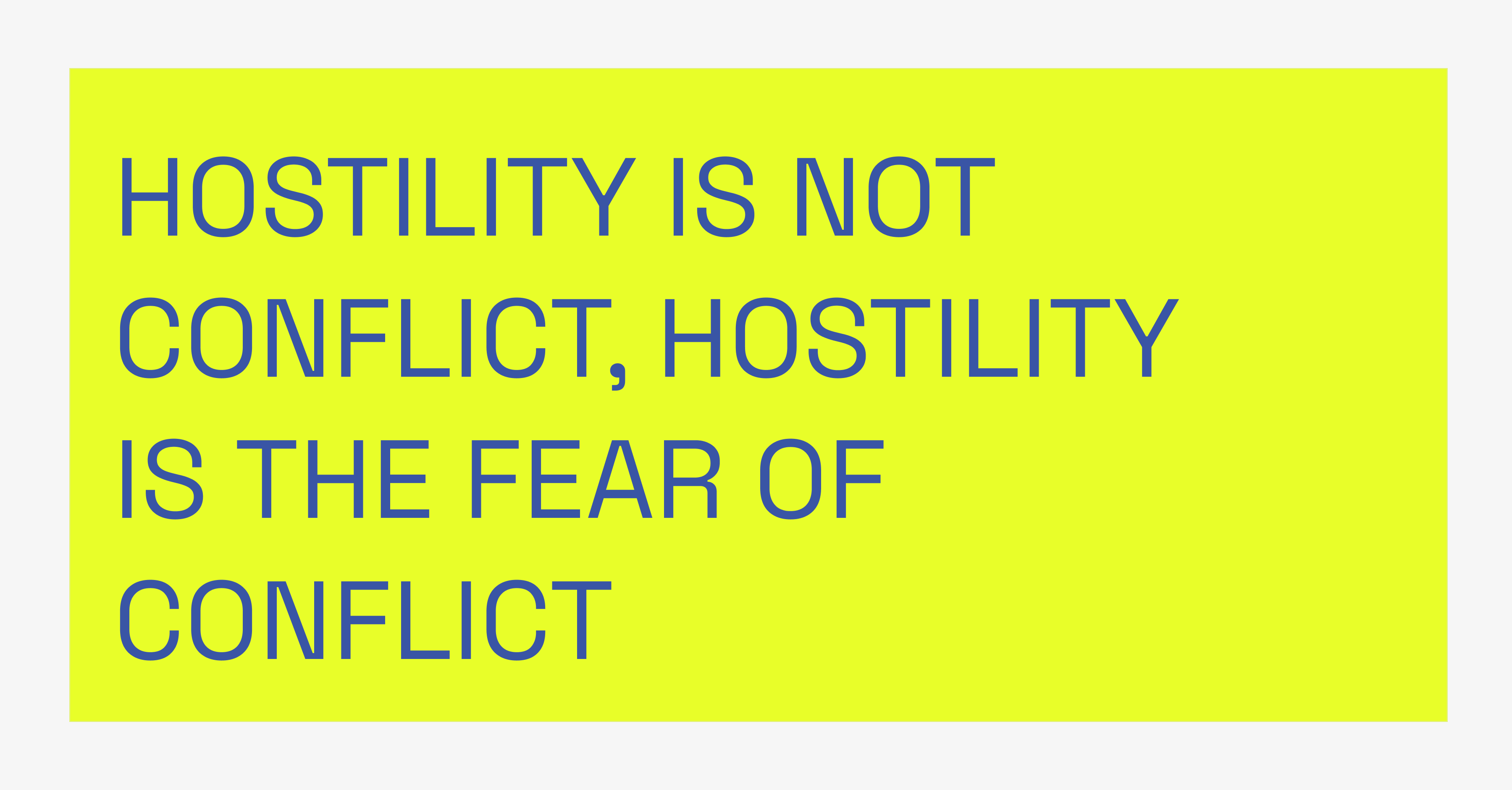
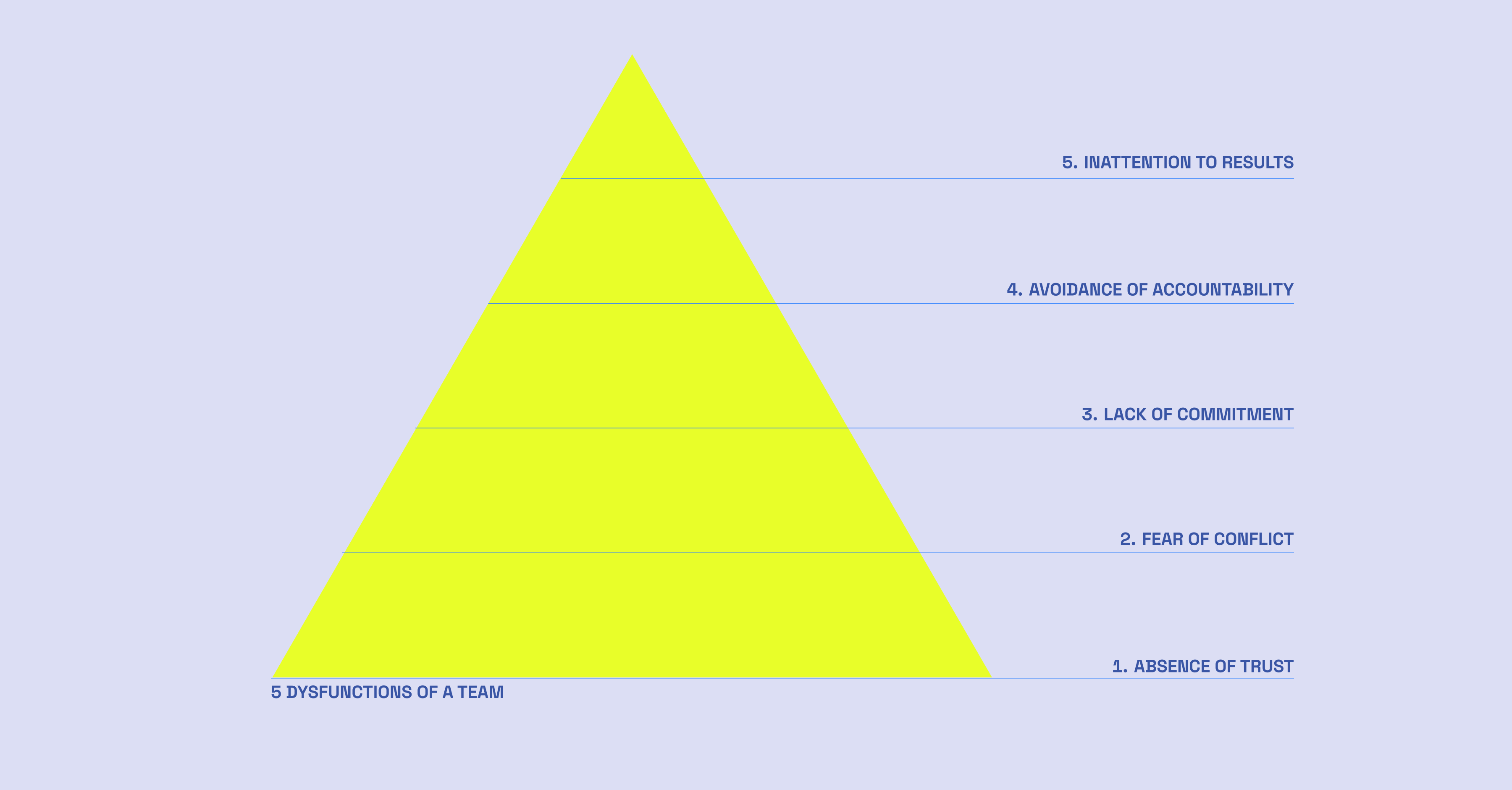
At the core of most issues is a lack of trust. Tension is not conflict, tension is a fear of conflict. Patrick Lencioni’s 5 Dysfunctions of a Team outlines the lifecycle of dysfunction: an absence of trust leads to a fear of conflict. The fear of conflict manifests itself as veiled discussions and guarded comments, which leads to a lack of commitment. The lack of commitment results in a lack of accountability when plans fail — because the team wasn’t bought in to begin with. The final outcome is inattention to results.
So what do you do?
Earlier, I wrote that hostile environments have one/all of these traits: emotional/non-verbal/indirect/frenzied communication. Let’s focus on the concept of frenzied communication, which is at the base of sloppy relationships. I define frenzied conversations as unfocused, messy, and unclear communication without a defined issue. When communication is frenzied, it lacks actionability and many problems are convoluted. Your goal is to distill frenzied conversation into issues — and depersonalize it. What is the joint outcome the team is working towards? Gino Whitman’s EOS model categorizes issues into I have info/I need info/help me decide/IDK wtf. So, for example:
Frenzied conversation: “The client’s report isn’t ready and the meeting is tomorrow -- this client is already difficult. This is a mess, we need the report ASAP. Meanwhile Misty is nowhere to be found.”
Your response: “What I am hearing is we need the report done by tomorrow and we need to align on a plan of action to get it done, is that right? Let’s review outstanding tasks, assign owners, and meet at 4:30 PM for a final review. What would you change? I will send the calendar invite if you agree with the plan.”
You ignored her emotion. You ignored her sentiments about Misty. You ignored her passive-aggressive undertones. And you fished for the issue and provided a measurable and time-bound solution. And you provided an opportunity to disagree on the plan. Not on Misty. Not on her aggravation. But on the plan.
When dealing with difficult people, focus on the issue that you are working to solve. This may require you to determine what the issue is.
How to take feedback that you didn’t care to receive
Here are a few responses to hostile feedback:
“I appreciate hearing all of the opinions - what we will do moving forward is XYZ.”
“Feedback received, thank you”
And here is a response to a microaggression:
What do you mean by that? (Ask as many times as you need to, do not ask emotionally — the person will eventually expose their biases and hopefully reflect)
To conclude, you will encounter many personality types on your path to growth and leadership. The faster you learn to de-personalize negative sentiments and focus on the shared goal, the more skilled you will be at aligning your team to a productive outcome.
Anything else?
👋 Hey, I'm Layla. Join me in my weekly newsletter, where I provide insights into enhancing leadership skills and increasing productivity. If you haven't subscribed yet, here's a recap of a few posts you may enjoy:
Subscribe to get access to these posts, and all future posts.